The bones found here changed what we thought we knew about human origins. Lake Turkana's shores have been home to our ancestors for millions of years. In a very real sense, this is where the human story began. That story unfold...
The bones found here changed what we thought we knew about human origins. Lake Turkana's shores have been home to our ancestors for millions of years. In a very real sense, this is where the human story began. That story unfolded on the shores of the world's largest permanent desert lake and the largest alkaline lake on earth; a jade-green expanse of water stretching nearly 300 kilometres through Kenya's remote northern frontier. Lake Turkana's National Parks comprise Sibiloi National Park and the South and Central Island National Parks, together forming a UNESCO World Heritage Site covering 7 million hectares within the lake basin. Numerous volcanic formations and petrified forests line its shores, while the island parks serve as breeding grounds for Nile Crocodiles, Hippos, and several Snake species; life thriving, as it always has, at the edge of one of Africa's most unforgiving landscapes.
The landscape surrounding Lake Turkana is ancient and elemental; volcanic rock, petrified forests, and vast open skies that have barely changed since the first humans walked these shores. It is a landscape that rewards those willing to reach it, offering a raw, unfiltered encounter with Africa at its most primal and unhurried.
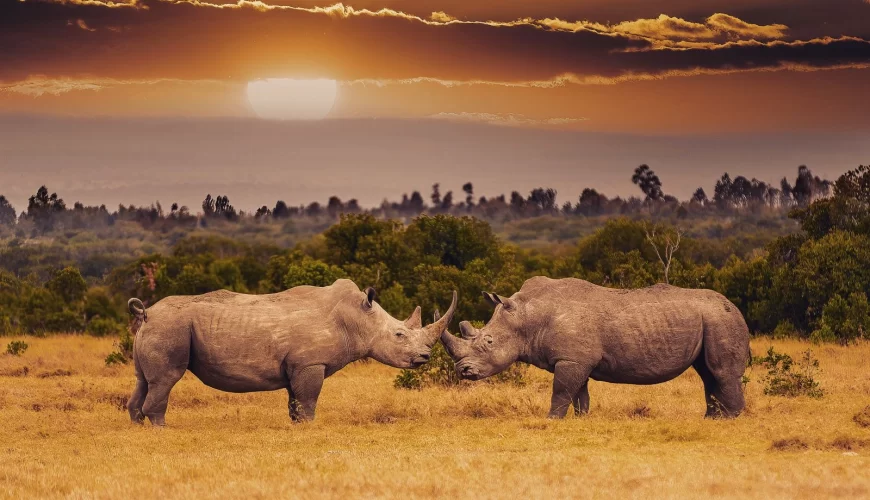
On the eastern shore of the lake lies Koobi Fora, one of the most significant palaeontological sites on earth. The fossils unearthed here; including some of the oldest known remains of early Homo sapiens, have fundamentally shaped our understanding of human evolution, and the Koobi Fora Museum remains an essential stop for anyone visiting the lake. The surrounding Sibiloi National Park protects this extraordinary landscape alongside a rich wildlife community, including Zebras, Oryx, Topi, and Grant's Gazelle.
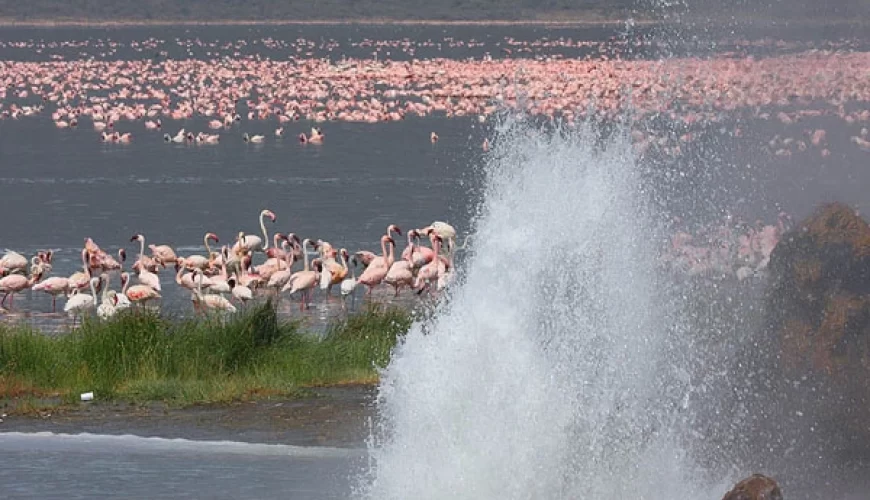
Lake Turkana remains one of Kenya's finest wildlife destinations, its waters teeming with life that has endured here across millennia. Around 400 bird species have been recorded on and around its shores, and its waters support Nile Perch fish weighing between 200 and 300 kilograms, drawing sport fishermen from across the world. The lake's communities; among them the 'El Molo', one of Kenya's smallest ethnic groups, who have fished these waters for centuries; add a profound human dimension to a destination that is already unlike anywhere else on earth.
Best Time To Visit
The best time to visit Lake Turkana is during the dry season, from June to September, when cooler temperatures, clearer skies, and accessible roads make for the most comfortable experience. These months also offer prime conditions for sport fishing, with calm lake surfaces between July and October drawing anglers in pursuit of Nile perch weighing up to 300 kilograms.
Birding is rewarding year-round, with migratory species swelling the resident population of 400 species between November and April. The wet season; short rains in November to December, and long rains from March to May, brings fewer visitors and a transformed, vivid landscape, though some access routes may require a capable 4x4 vehicle.
Activities
Sport fishing for giant Nile Perch; birdwatching; explore the palaeontological wonders of Koobi Fora & Sibiloi National Park; game drives; visit El Molo fishing village; boat excursion to the volcanic craters of Central and South Islands.